
Experience the Transformative Power of Therapy
Psychotherapy, often called “talk therapy,” offers a safe and supportive space to explore your thoughts, emotions, and behaviors. Through open, one-on-one conversations, you can gain insight into unhelpful patterns, build healthier coping strategies, and work toward meaningful emotional well-being.
Talk Therapy for Individuals, Couples, Children & Families
Building awareness of emotions, behaviors, and relationship patterns is essential for personal growth and emotional well-being. Talk therapy provides a safe, supportive, and judgment-free environment where individuals, couples, children, and families can openly express concerns and work through challenges together.
Whether you are facing anxiety, depression, relationship difficulties, family conflict, or life transitions, our experienced therapists offer compassionate guidance tailored to each person’s unique needs. Therapy is collaborative and focused on strengthening communication, fostering understanding, and promoting lasting emotional health.
Benefits of Counseling
- Personalized support for individuals, couples, children, and families
- Improved emotional awareness and healthier relationship dynamics
- Insight into thoughts, behaviors, and patterns affecting well-being
- Tools to manage stress, emotions, and interpersonal challenges
- Support in developing effective communication and coping skills
- Enhanced resilience, balance, and overall quality of life

Evidence-Based Care for
Complex Mental Health Issues

depression
Helps individuals manage persistent sadness, low energy, negative thoughts, and hopelessness, while developing coping strategies, emotional resilience, and overall mental well-being.

Anxiety
Supports individuals experiencing excessive worry, fear, and tension by teaching coping strategies, stress management, emotional regulation, and promoting overall mental calmness.
PTSD
Replaces negative thinking with Helps individuals process trauma, manage flashbacks, anxiety, and intrusive thoughts, build coping skills, and restore emotional stability and daily functioning
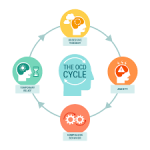
OCD
Supports individuals struggling with obsessive thoughts and compulsive behaviors by reducing anxiety, improving emotional regulation, and restoring control over daily routines.
Stress
Helps individuals manage physical, emotional, and mental strain, teaching coping strategies, relaxation techniques, resilience building, and promoting overall well-being balance.

Anger
Assists individuals in recognizing, expressing, and managing anger effectively, developing coping strategies, emotional regulation, and improving relationships and overall mental well-being.

Life Changes
Supports individuals navigating life transitions like divorce, separation, loneliness, or isolation, promoting coping strategies, emotional adjustment, resilience, and personal growth during change.

Compulsive habits
Helps individuals address compulsive habits such as gambling, substance use, or pornography, building self-control, coping strategies, healthier behaviors, and long-term recovery support.
We Specialize in Treatment of

Deaf, Deaf-Blind, Hard of Hearing in American Sign Language (ASL)

Deaf Allies (i.e., ASL Interpreters, CODA, etc.)

LGBTQIA+ Individuals and Couples

Veterans and Active-Duty Service Members
Senior Citizens and Older Adults

Individuals with Blindness, memory Loss, Chronic Medical Issues and Developmental Disabilities
Therapy Approaches
Following are the therapy approaches we take
Rational Emotive Behavior Therapy (REBT)
Helps individuals identify irrational beliefs, challenge negative thinking patterns, and develop rational perspectives to improve emotional well-being and behavioral outcomes.
Dialectical Behavior Therapy (DBT)
Focuses on balancing emotions through skills such as emotional regulation, distress tolerance, mindfulness, and interpersonal effectiveness to support healthier coping.
Cognitive Behavioral Therapy (CBT)
Identifies negative thoughts, changes unhelpful behaviors, and builds practical coping skills to improve emotional regulation and overall mental health.
Emotion-Focused Therapy (EFT)
Processes emotions to strengthen self-awareness, deepen relationships, and support psychological healing and emotional connection.
Exposure and Response Prevention (ERP)
Gradually reduces anxiety by exposing individuals to feared situations while preventing compulsive responses, improving tolerance and emotional control.
Mindfulness Techniques
Promote present-moment awareness to reduce stress, enhance focus, improve emotional balance, and support overall mental well-being.
If You Don’t Find Your Insurance in the list , Contact us at
Free 15-Minute Consultation is Available